
Strong Bones, Strong Future: What my osteopenia diagnosis taught me
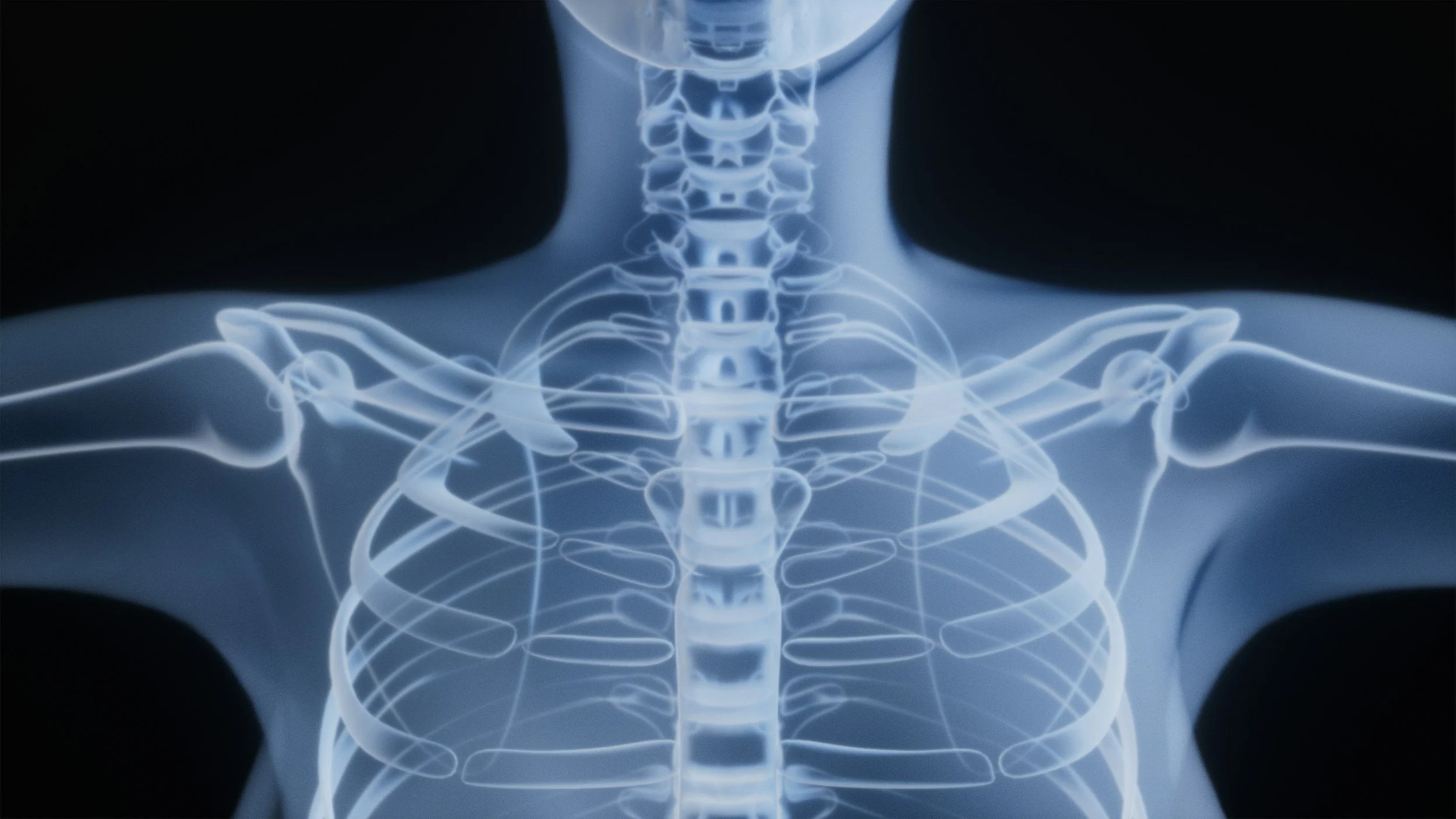
Last month, we talked about Menopause 101— what happens during this important transition and why understanding the changes in your body matters. This month, I want to focus on a topic that often receives far less attention but deserves a place in every woman's wellness plan: bone health. Late last year, my doctor recommended a bone density scan. At 56, she said it was a little earlier than typically recommended, but it would provide a helpful baseline. I wasn't expecting any surprises. Imagine my shock when the results showed osteopenia in both my lumbar spine and femur.
How could that be? I've strength trained consistently since I was fourteen. I eat a healthy diet. My calcium and vitamin D levels are good. I've spent years running and participating in high-impact exercise.
As it turns out, genetics were part of the answer. My mother was diagnosed with osteopenia at a relatively young age, and family history is one of the strongest risk factors for bone loss. While I can't change my genetics, I can influence many of the other factors that affect bone health. That realization inspired me to learn more about bone density and what women can do to protect it.
As I talked with friends, family members, and clients, I realized I wasn't alone. Many women don't know their bone density status—or that there are meaningful steps they can take to support stronger bones as they age.
That needs to change. Women deserve information. We deserve access to screening. And we deserve a plan. Let's demystify bone density and explore why it matters, especially during perimenopause and menopause.
What Is Bone Density?
Bone density refers to the amount of minerals, primarily calcium and phosphorus, contained within your bones. Bone is living tissue that is constantly being remodeled. Throughout life, old bone is broken down and new bone is built.
During our younger years, we build bone faster than we lose it, reaching peak bone mass in our late twenties to early thirties. As we age, that balance gradually shifts, and bone breakdown begins to outpace bone building. Over time, this can lead to weaker bones and an increased risk of fractures.
Why Does Bone Density Matter?
Strong bones support much more than posture and movement. Healthy bones help us:
• Stay active and independent
• Reduce fracture risk
• Maintain mobility as we age
• Support balance and stability
• Preserve overall quality of life
A fracture later in life can have far-reaching consequences, particularly hip fractures, which can significantly impact independence and long-term health. The good news is that there is a lot we can do before reaching that point.
Osteopenia vs. Osteoporosis: What's the Difference?
Osteopenia is lower-than-normal bone density but not severe enough to be classified as osteoporosis. Think of it as a yellow light warning sign that bone loss is occurring and action may be needed to slow further decline.
Osteoporosis is a more advanced stage of bone loss. Bones become more fragile and more likely to fracture from falls or even everyday activities. Both conditions are often silent, meaning many women don't know they have them until a bone density scan reveals the problem or a fracture occurs.
This is why screening and early detection are so important.
The Menopause Connection
One of the biggest contributors to bone loss in women is the decline in estrogen during perimenopause and menopause. Estrogen plays a critical role in protecting bone tissue. As estrogen levels decrease, bone loss can accelerate.
The years surrounding menopause are a critical window for protecting bone health. It's one more reason why conversations about menopause should include discussions about bone density—not just hot flashes, sleep changes, and hormone fluctuations.
What Can You Do to Protect Your Bones?
The encouraging news is that bone health is influenced by many lifestyle factors. Here are some of the most impactful strategies:
1. Strength Train Regularly
Resistance training places healthy stress on bones, encouraging them to remain strong.
Focus on:
Free weights
Resistance bands
Weight machines
Bodyweight exercises
2. Include Weight-Bearing Activities
Activities where you support your own body weight can help stimulate bone growth. Examples include:
Walking
Hiking
Dancing
Tennis
Stair climbing
3. Prioritize Protein
Protein provides important building blocks for both muscle and bone. Many women underestimate how much protein they need as they age.
4. Get Adequate Calcium
Calcium remains one of the key nutrients for bone health. Good sources include:
Dairy products
Sardines
Tofu
Leafy greens
Fortified foods
5. Optimize Vitamin D
Vitamin D helps your body absorb calcium effectively. Ask your healthcare provider whether testing your vitamin D levels is appropriate for you.
6. Protect Muscle Mass
Strong muscles help support strong bones. Muscle loss and bone loss often occur together, making strength training particularly valuable.
7. Know Your Numbers
If you are approaching menopause, postmenopausal, have risk factors, or have a family history of osteoporosis, discuss bone density testing with your healthcare provider. Knowledge truly is power.
My Biggest Takeaway
Receiving my osteopenia diagnosis was not what I expected. At first, I was frustrated. I thought I had done everything right. But over time, I realized this diagnosis was not a failure, it was information. It reminded me that health is not about perfection. It is about awareness. It is about understanding our unique risk factors and taking action on the things we can control. I may not be able to change my genetics, but I can continue to support my body through strength training, proper nutrition, movement, quality sleep, stress management, and informed healthcare decisions. And so can you.
Your Bones, Your Future: It is Never Too Early - or Too Late - to Start
Bone loss may be common, but it should never be ignored. The earlier we understand our risks and take proactive steps, the better positioned we are to maintain strength, mobility, and independence throughout our lives.
While many women are told to wait until age 60 for a bone density scan, there is growing evidence that establishing a baseline earlier can be beneficial—especially for women with risk factors. When we know our numbers, we can make informed decisions and take meaningful action to protect our long-term health.
For many of us, no one talked about bone health when we were in our 20s, 30s, or even 40s. We simply didn't know what we didn't know. The good news is that no matter where you are on your journey, there are meaningful steps you can take today to support your bone health and overall well-being.
Bone health deserves a prominent place in every woman's long-term health conversation. My hope is that future generations of women will learn about bone health earlier, giving them the knowledge and tools to build strong foundations for lifelong wellness.
As I approach my 57th birthday, I am walking this path right alongside you. I understand the questions, concerns, and sometimes overwhelming amount of information that comes with navigating perimenopause and menopause.
If you're wondering how to support your long-term health, you don't have to figure it out alone. As a Menopause Coaching Specialist and NBC-HWC Health Coach, I help women create realistic, sustainable plans that support their health goals and fit their lives.
The choices you make today can influence your health for decades to come. If you're ready to take a proactive approach to your well-being, I'd love to help. Together, we can create a roadmap that supports the life you want to live—today and in the years ahead.
Reach out today and let's start the conversation. Your future self will thank you.
