
Stronger Isn't Always Heavier
Why good form, mobility, and movement quality matter when building strength
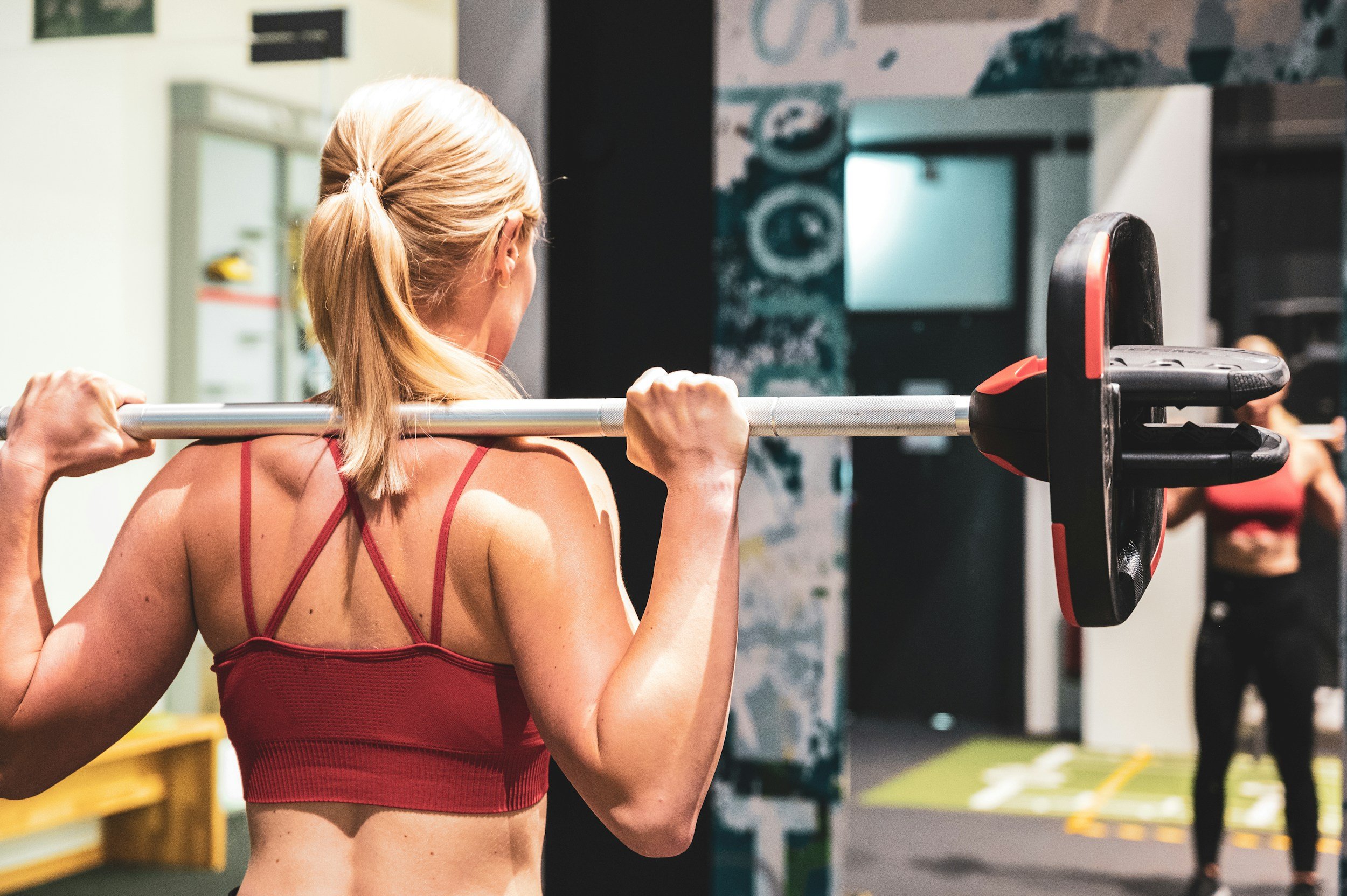
There is a lot of information out there right now about women lifting heavy. It seems to be everywhere in my social media feed. Listen, I get it. And several months ago, I wrote about bone health, so yes—resistance training and progressively challenging our muscles can play an important role in supporting bone health as we age. But here’s something I want us to remember lifting heavier is not the whole story. Form matters. And this isn't just a message for women. It is something anyone who participates in resistance training should pay attention to.
Our Bodies Are Built to Move
When we are young, many of us are naturally flexible and move through an impressive range of motion without giving it much thought. We tend to take that flexibility for granted. As we grow and change, however, the way our bodies move can change too. Our range of motion may be affected by our activity—or lack of it—previous injuries, daily habits, strength, mobility, and simply the natural changes that occur as we age.
Flexibility is generally described as the ability of a joint or group of joints to move through an available range of motion without pain or restriction. Mobility is slightly different. It is our ability to actively control that range of motion. Both matter when we exercise because before we worry about how much weight we can lift, we should pay attention to how we are moving.
Master the Movement Before You Increase the Weight
This is where form comes in. Before we add more weight to an exercise, we should first understand and practice the movement pattern. Can we perform the exercise with control? Are we maintaining appropriate alignment? Are we moving through an appropriate range of motion? Can we repeat the movement consistently without pain?
In a perfect world, we would all understand anatomy and kinesiology. We would know which muscles are doing what, how our joints are moving, and what adjustments might help us perform an exercise safely and effectively. Most of us don't and that's okay.
This is one of the ways a skilled fitness professional can be incredibly helpful. A good trainer isn't simply counting repetitions or telling you to lift heavier. They can observe how you move, help you understand the exercise, recognize when something needs to be modified, and help you progress appropriately.
Understanding range of motion and movement patterns allows us to plan, prepare, and adapt. It helps us get more from the time we spend exercising and, importantly, helps us develop strength in a way that is appropriate for our individual bodies.
Every BODY Is Different
We also live in an age where workout information is incredibly accessible. You can find sample workouts, exercise demonstrations, training plans, and advice with a few taps on your phone. There are many excellent resources available. There are also plenty that aren't so good. One of the challenges with following a generic workout is forgetting one very important fact: Every BODY is different. Each of us has lived a life that has shaped the way we move. Our work, hobbies, injuries, activity levels, previous training, habits, anatomy, and genetics all contribute to our individual abilities. That doesn't mean we shouldn't challenge ourselves. It means we should learn to challenge ourselves appropriately. The goal isn't to make your body conform to someone else's workout. The goal is to understand your body well enough to create movement that works with you and for you. Don't we all want to maximize the benefit we get from the healthy habits we are working so hard to build?
So, What Comes First?
When beginning a new exercise program, the first step is making sure you have any medical clearance you may need based on your individual health circumstances. After that, consider your goals, your current fitness level, your experience, your preferences, and perhaps most importantly your body. Then start with the basics. Learn the movement. Practice the movement. Establish good form. Build control and confidence. Then, gradually, add resistance. Increasing the weight should be a progression not the starting point.
And here's something else I want to emphasize good form doesn't mean that every repetition has to look absolutely perfect. Our bodies are not machines, and movement will naturally vary. The goal is to develop consistent, controlled movement that is appropriate for your body and the exercise you are performing.
Sometimes the smartest progression isn't adding another five or ten pounds. Sometimes it improves your range of motion. Sometimes it is slowing the movement down. Sometimes it is doing another repetition with better control. Sometimes it is simply learning to feel which muscles are actually working. And sometimes, yes, it is time to increase the weight.
Stronger Doesn't Always Mean Heavier
I am absolutely not suggesting that women or anyone should be afraid to lift heavy. Progressive resistance is important. Challenging our muscles is important. Building strength is important. And as we age, maintaining and improving strength becomes increasingly valuable for the things we want to continue doing in our everyday lives.
But more weight is only one measure of progress. If you have to sacrifice your form to lift a heavier weight, you may have progressed the weight before you progressed the movement. There is nothing wrong with going back to the lighter weight and practicing. In fact, that may be the smartest choice you can make. The next time you see someone telling you that you need to lift heavier, take a moment before automatically adding another plate or picking up the next set of dumbbells.
Ask yourself these questions. Can I perform this movement well? Can I control the weight? Am I moving through an appropriate range of motion? Does this feel right for my body? Can I maintain my form from the first repetition to the last?
If the answer is yes, perhaps it is time to progress. If the answer is no, that's okay too. Master the movement first. Then increase the challenge. Because when it comes to resistance training, getting stronger is important. But how you get stronger matters, too.
